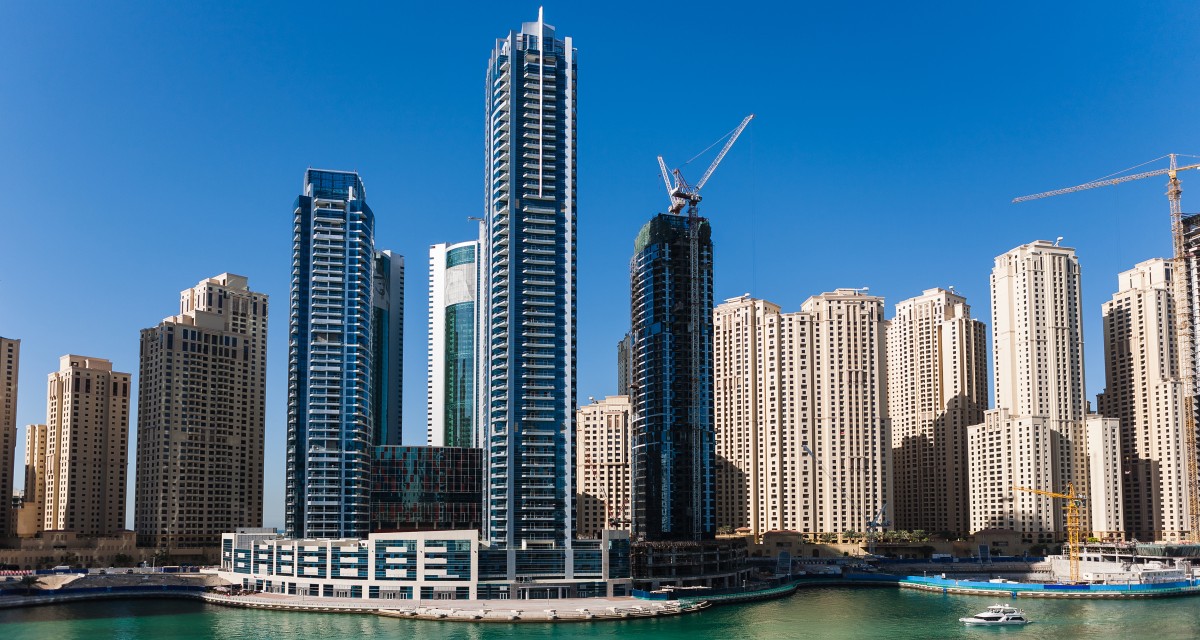
The property market of Dubai reflects the city’s growth and innovation. Buying is a smart long-term decision, whereas renting suits expatriates and people planning a temporary stay.
Key Takeaways
- Renting is a better option in Dubai when you plan to stay for a short time, whereas buying can be a long-term commitment.
- Renting has a low upfront cost, but buying has a high upfront cost.
- Renting has better flexibility than buying.
With high demand for properties, there has been a stable increase in rental costs. Buying is a better long-term investment, but renting is preferable for short-term residents.
This blog offers a comparative evaluation of renting and buying in Dubai to make decision-making easier for the buyers or renters.
Renting vs Buying in Dubai: Key Rules to Consider
There are different rules and conditions regarding renting and buying properties in Dubai.
Renting
To acquire a property for rent in Dubai, here are the key rules that you need to keep in mind.
| Aspect | What to know |
| Mandatory Ejari registration | All the contracts must be registered via the Ejari system |
| Notice period | A 90-day notice period is mandatory for any changes to contract terms upon renewal, but Smart Rental Index requires the landlord to use the building’s specific star rating to justify increases |
| Eviction notice | A formal 12-month notice period is usually sent via a Notary Public |
| Security deposit | Around 5% of annual rent (refundable) |
| Agent fee | Around 5% of annual rent |
Table 1: Key aspects regarding renting in Dubai
Buying
If you are planning to purchase a property in Dubai, keep these considerations in mind.
| Aspect | What to know |
| Main law | Law No. 7 of 2006 |
| Ownership rights | Non-GCC nationals can buy freehold property in designated areas |
| Required documents | Passport (for all buyers); Emirates ID (for the residents) |
| Mandatory DLD registration | Making the ownership legally recognized |
| Agency fee | 2% + VAT |
| DLD fee | 4% of the property value |
Table 2: Key aspects regarding buying in Dubai
What are the Fundamental Differences Between Renting and Buying in Dubai?
Here are the basic differences between renting and buying in Dubai.
| Feature | Renting | Buying |
| Upfront cost | Low (Deposit + Agent fee) | High (Down payment + Fees) |
| Monthly payment | Rent (Subject to increase) | Mortgage (can be fixed) |
| Flexibility | High | Low |
| Maintenance | Paid by the landlord | Paid by the owner |
Table 3: Renting vs Buying
What to Know About Renting Property in Dubai
Renting in Dubai requires a structured, legally regulated process that includes mandatory Ejari registration, security deposits, and payments. The main aspects are:
Legal Considerations: The tenancy contract must be registered with the Real Estate Regulatory Authority (RERA), and this agency controls any sort of rent increase. Also, there is a need for a mandatory registration with the Dubai Land Department.
Documents Needed: The required mandatory documents for obtaining a property for rent in Dubai are a valid passport, a UAE residence visa, and an Emirates ID. Also, you need to provide income or employment proof and post-dated cheques.
Essential Costs: When the contract is registered under the Ejari system, you have to pay an Ejari fee. The other included costs are security deposits, agency fees, DEWA deposit, and housing fee.
Steps to Follow: Here are the steps to follow when you plan a rent in Dubai.
- Define your budget
- Select the right neighborhood
- Search for properties
- Schedule property viewings
- Negotiate the rent and familiarize yourself with the payment terms
- Understand the rental regulations, terms and conditions
- Register the Ejari contract
Note: The Dubai Land Department has introduced the Dubai Smart Rental Index, an AI-based building classification system that uses uniform service pricing and evaluation criteria across the city’s residential properties to justify setting and increasing rent prices of a unit.
Advantages: A key benefit of renting a property in Dubai is the low upfront cost. Also, renting offers greater mobility and flexibility. Moreover, you do not have to deal with the maintenance burden.
Limitations: The fundamental downside of renting is that you have to pay a strict rental fee, but that does not contribute to long-term asset building. The rent you pay is not fixed, and it can increase based on market conditions. Moreover, you cannot structurally alter a rental property.
What to Know About Buying Real Estate in Dubai
If you decide to buy real estate in Dubai, keep the following aspects in mind.
Legal Considerations: The property you buy must possess a DLD registration. The other legal considerations are a signed MOU between the two parties and an NOC from the developer. Prime Nest Properties offers adequate guidance so that the entire procedure can be streamlined.
Documents Required: Are you planning to buy a property in Dubai? If yes, you need a passport, Emirates ID, and a valid visa. Non-residents need their passport and address proof.
Essential Costs: You need to pay the DLD fee, along with the registration trustee fee. In addition, you need to pay title deed insurance, agency fees, and mortgage-related payments.
Steps to Follow: The mandatory steps are:
- Define purpose and budget
- Get mortgage pre-approval
- Find a licensed broker (Consider a RERA-licensed agent)
- Search and view properties
- Make an offer and sign Form F (MoU)
- Apply for NOC
- Transfer ownership
- Review new title deed
Advantages: Unlike rent payments, mortgage installments let you build equity in tangible assets. The other benefits are high return-on-investments, capital appreciation, and Dubai’s tax-free environment (no personal income tax on rental earnings and no capital gains tax while selling the property)
Limitations: Compared to renting, buying a property comes with higher upfront costs. Some of the common drawbacks are lower liquidity, reduced flexibility, and high operational costs.
What’s the Verdict: Rent or Buy?
The existing state and preference of a customer is a contributing factor towards whether you should rent or buy a property in Dubai.
Who Should Rent in Dubai?
Here are the scenarios where renting makes more sense.
New to Dubai: If you are living in Dubai for less than a year, it’s better to rent. Don’t commit a big amount before you understand whether the community fits your lifestyle.
Short-term contract: Often, expatriates come to Dubai for work purposes for 2 to 3 years. Here, buying a property is not a good choice.
Flexibility Seekers: If you plan to change neighborhoods frequently, renting can be a choice. Consider it if flexibility is your priority.
Who Should Buy in Dubai?
Who should buy real estate in Dubai instead of renting? Let’s find out.
Long-term Stay: If you plan to stay in Dubai for more than five years, buying is more suitable. Obtain the necessary details from a renowned real estate company like Prime Nest Properties before you decide to buy.
High Net-Worth Individuals: If you plan to invest in Dubai real estate, you have to pay a high upfront cost. If you can bear it, you can buy a property.
Stability Seekers: A steady rent increase persists in Dubai, which creates trouble for the tenants. If you don’t want to deal with it, buying is a better option.
Price is a vital factor when it comes to deciding between renting and buying in Dubai. Here are the approximate renting or buying prices in the top neighborhoods of Dubai.
| Place | Renting price | Buying price |
| Downtown Dubai | AED 100,000 to AED 1.2 million per year | AED 2,500/sqft |
| Creek Harbour | AED 90,000 to AED 455,000 per year | AED 2,600/sqft |
| Jumeirah Lake Towers | AED 50,000 to AED 200,000 per year | AED 1,600/sqft |
| Al Furjan | AED 40,000 to AED 150,000 per year | AED 1,300/sqft |
Table 4: Approximate renting and buying prices in Dubai neighborhoods
Apart from price, the other factors that you need to consider while choosing a property are:
- Location (Luxury vs. best for families)
- Amenities (Schools, shopping centres, hospitals, etc.)
- Public transportation
- Builder reputation
- Scope for future development
From connectivity to public transportation, you need to consider a range of factors before buying or renting a property. Well, price is a determining factor. While keeping everything in mind, you can decide which one, between buying and renting, goes with your preference.
Planning to Rent or Buy a Property in Dubai?
We are a trusted real estate firm in Dubai. Whether you are thinking of renting or buying a property in Dubai, we are here to make your path smoother. Get an expert consultation and obtain the property that you desire.
Frequently Asked Questions (FAQs)
1. Why is Buying a Better Option to Obtain the 10-year Dubai Golden Visa?
The 10-year Dubai Golden Visa is a residency program for 10 years in Dubai that allows foreign nationals to stay without any local sponsor. A key criterion for this is owning a property that is worth at least AED 2 million. Here, the 20% down payment criterion is common.
2. Can I Negotiate Rent in Dubai?
Yes, rent is negotiable in Dubai for both new contracts and renewals. This is especially for long-term leases or if the payment is done in fewer cheques. For better negotiation, you can compare similar properties. Check the RERA Rental Index to understand your rent aligns with the official data.
3. How to Avoid Scams While Buying a Property in Dubai?
Obtain a copy of the title deed to match the landlord’s name if you plan to buy a property in Dubai. To verify the agent, confirm the person’s RERA registration number. Always avoid cash payments.
4. Can I get a Mortgage as a Non-Resident in Dubai?
Yes, you can obtain a mortgage in Dubai for investment or personal use. Well, banks demand a higher down payment of at least 25% to 50% of the property value. You must be financially sound to get a mortgage.
5. What to do if my Landlord is Raising the Rent?
Verify the rent increase by using the official RERA rent calculator. If the raised amount exceeds RERA limits or was not communicated with a mandatory 90-day written notice, it is illegal. Try to negotiate or lodge a complaint at the Rental Dispute Settlement Centre (RDSC).