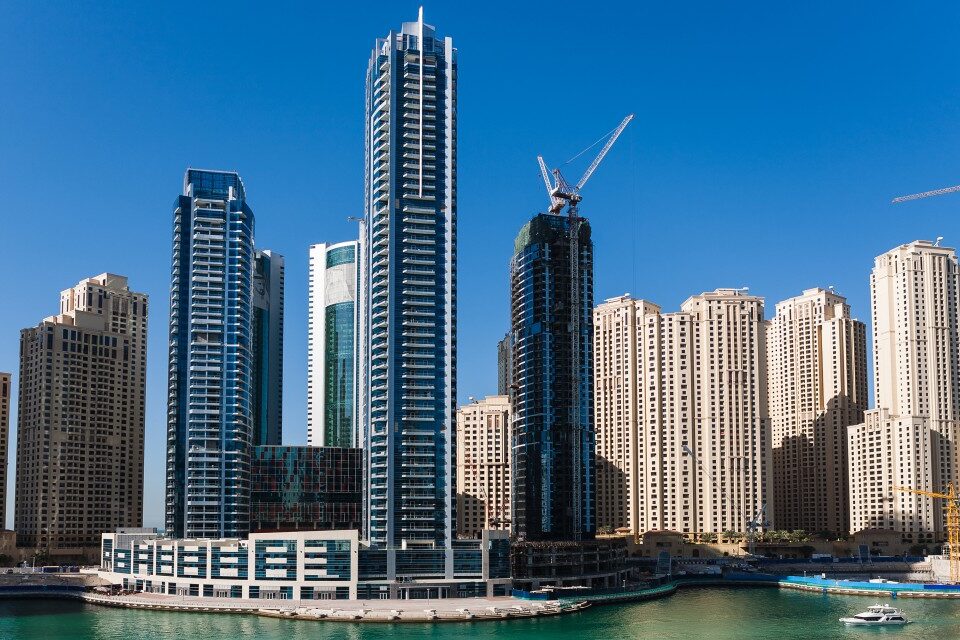
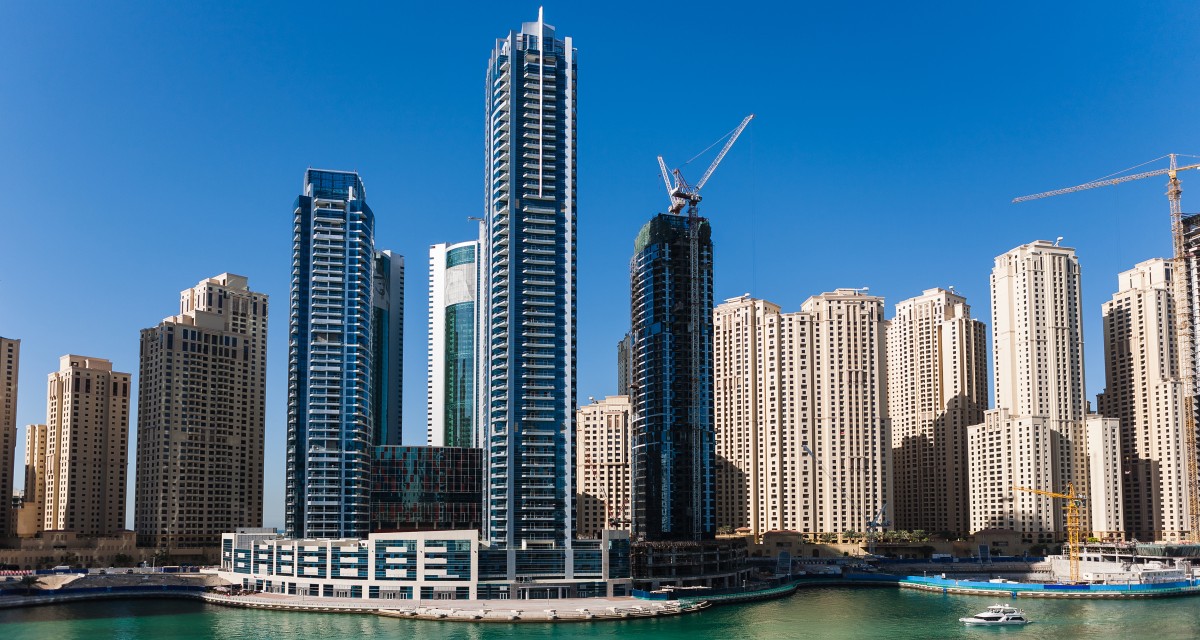
Buying property in Dubai is an exciting opportunity, whether you’re looking for a new home, an investment, or a holiday retreat. With a thriving real estate market, attractive incentives for foreign buyers, and world-class developments, Dubai remains a top choice for investors worldwide. However, before making a purchase, it’s crucial to understand the key factors that can impact your decision. Here’s what you need to consider before buying property in Dubai.
1. Freehold vs. Leasehold Ownership
One of the first things buyers need to understand is Dubai’s property ownership structure. The city offers freehold and leasehold ownership.
- Freehold Properties: Available to foreign buyers in designated areas, freehold properties grant full ownership of the unit and the land it sits on. Popular freehold zones include Downtown Dubai, Dubai Marina, Palm Jumeirah, and Business Bay.
- Leasehold Properties: In certain areas, properties are sold under leasehold agreements, typically for 99 years. The land remains under the ownership of the landlord or developer. Areas like Deira, Mirdif, and Jumeirah mainly offer leasehold properties.
Understanding the difference will help you determine which areas align with your investment goals.
2. Purpose of the Purchase: Investment or End-Use?
Before buying property in Dubai, define your objective. Are you purchasing for personal use, rental income, or capital appreciation?
- If you’re buying a home for personal use, consider proximity to work, schools, hospitals, and lifestyle amenities.
- If you’re investing, research high-demand rental areas, expected ROI, and upcoming developments that could increase property value.
- Short-term rentals in tourist hotspots like Dubai Marina, Downtown Dubai, and JBR can generate higher returns than long-term leasing.
Knowing your purpose will help narrow down locations, property types, and financing options.
3. Financing & Mortgage Eligibility
If you’re considering a mortgage, understanding the financial requirements is essential. Dubai banks offer mortgages to UAE residents and non-residents, but eligibility criteria vary.
- For UAE residents: Up to 80% financing for first-time buyers.
- For non-residents: Typically, 50% financing is available.
- Buyers need to show stable income, a good credit score, and a down payment.
It’s also important to account for interest rates, loan tenure, and prepayment penalties when considering a mortgage.
4. Developer Reputation & Project History
Dubai’s real estate market has many developers, ranging from well-established names to newer companies. Before purchasing, research the developer’s track record, past projects, and delivery timelines.
Top developers in Dubai include:
- Emaar Properties (Dubai Hills, Downtown Dubai)
- Damac Properties (Damac Hills, Akoya Oxygen)
- Nakheel (Palm Jumeirah, Jumeirah Village Circle)
- Meraas (City Walk, Bluewaters Island)
Choosing a reputable developer minimizes risks and ensures your property is delivered on time with high-quality standards.
5. Property Fees & Additional Costs
Buying property in Dubai involves additional costs beyond the purchase price. Key expenses include:
- Dubai Land Department (DLD) Fees: 4% of the property price.
- Real Estate Agent Commission: Usually 2%.
- Mortgage Registration Fee: 0.25% of the loan amount (if applicable).
- Annual Service Charges: Varies based on the development, covering maintenance and community services.
It’s essential to factor in these costs to avoid unexpected financial surprises.
6. Off-Plan vs. Ready Properties
Buyers can choose between off-plan and ready-to-move-in properties, each with its pros and cons.
- Off-Plan Properties: Often available at lower prices with flexible payment plans but may come with construction delays.
- Ready Properties: Immediate move-in or rental income but typically require a higher upfront investment.
Evaluate your financial flexibility and investment horizon before making a decision.
7. Legal Aspects & Property Registration
Dubai’s real estate market is well-regulated, ensuring secure transactions for buyers. All property purchases must be registered with the Dubai Land Department (DLD).
Buyers should ensure they receive:
- Title Deed for freehold properties.
- Sales and Purchase Agreement (SPA) for off-plan properties.
- No Objection Certificate (NOC) from the developer when reselling a property.
It’s advisable to consult with a real estate lawyer or a trusted brokerage like Prime Nest Properties to ensure a smooth transaction.
Final Thoughts: Is Now the Right Time to Buy?
Dubai’s real estate market continues to offer attractive opportunities for homebuyers and investors alike. With tax-free property ownership, a strong economy, and high rental yields, the city remains one of the most sought-after investment destinations in the world.
Whether you’re looking for a luxury home, a high-return investment, or a holiday property, understanding these key factors will help you make an informed decision.
📞 Thinking about buying property in Dubai? Contact Prime Nest Properties today for expert guidance and exclusive listings.